The Vein Whisperer: A Designer’s Review of This Nurse Embroidery Design
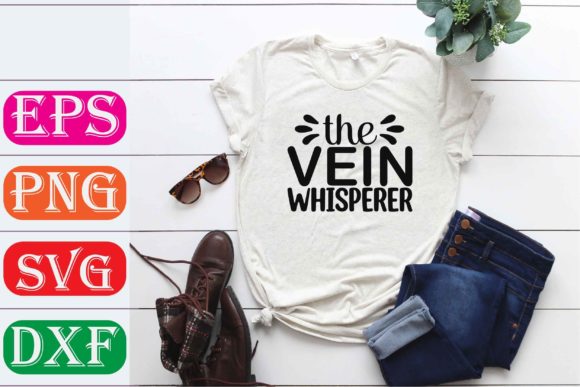
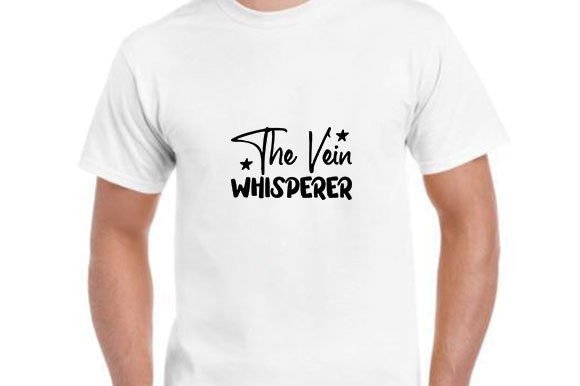
As someone who stitches designs for clients and my own shop, I always look at a file with a practical eye. How will it translate from screen to stitches? Today, I’m considering the “Nurse SVG Design, -the Vein Whisperer” for a real embroidery project. The title alone gives you a sense of its personality: clever, confident, and a bit playful. It’s not a generic medical logo; it feels like a badge of honor for a skilled professional.
First Impressions: Mood and Application
The design’s theme is immediately clear and engaging. The layout, with its central text focus, suggests a clean, readable result after stitching. The detail level appears balanced—not overly dense, which is good for apparel decoration. This isn’t a design meant for a tiny, intricate patch; it’s a statement piece. My mind goes straight to a custom embroidered sweatshirt for a nurse friend, or a tote bag for a nursing student. It has that mix of professionalism and personal pride that makes for a great personalized gift.
Where This Design Naturally Belongs
Given its bold personality, I see it shining on several products. A high-quality cotton t-shirt or a cozy crewneck sweatshirt would be perfect. It would also make a fantastic, durable embroidered patch to apply to a backpack or a jacket. For a small business owner selling in a boutique or on Etsy, this could be a standout item on an apron or a pillow cover for a nurse’s lounge. I’m even thinking it could work nicely on a crisp kitchen towel as a fun gift for a nurse who loves to bake. The design’s visual weight means it needs a “canvas” that can support it without being overwhelmed.
Performance in Real Embroidery Situations
Let’s walk through a real scenario. Imagine I’m preparing an order for a custom embroidered tote bag for a nurse’s week celebration at a hospital. I’ve chosen a sturdy canvas bag. The “Vein Whisperer” design, provided in multiple file formats like SVG and PNG, gives me flexibility. For machine embroidery, the vector files are crucial. The key question becomes stitch execution.
On a medium to large hoop size, this design should stitch out with clarity. The text is the hero, so the stitch density for the lettering needs to be checked. A solid satin stitch for the main text would give that polished, professional look that boosts product value and customer trust. On a dark fabric like a navy blue sweatshirt, I’d plan for bright, contrasting thread colors—perhaps a crisp white or a silver grey—to ensure the message pops and the handmade presentation feels intentional and high-quality.
Careful Considerations for a Perfect Finish
This design, while not overly intricate, has areas that demand attention. The small details, like any decorative accents or the hyphen in the title, need to be inspected in a test run. On stretchy fabric like a t-shirt, using the proper stabilizer is non-negotiable to prevent distortion. I would avoid very small hoop sizes; cramming it in could muddle the lettering. Similarly, on highly textured fabrics or curved surfaces like caps, a careful test on scrap fabric first is essential to see how the fills and outlines behave. For products that need frequent washing, like baby clothes or work aprons, ensuring the stitch structure is secure and the thread quality is high will maintain the design’s integrity and the brand consistency for a seller.
The Impact on Your Project and Your Customer
Using a design with this kind of specific, witty appeal directly affects buyer engagement. It speaks directly to a community. On an Etsy listing or as part of your craft fair products, it immediately tells a story, which is far more powerful than a generic graphic. This enhances visual appeal and stitching clarity becomes paramount—if the words are crisp, the recipient feels the thoughtfulness. For a holiday embroidery gift or a wedding gift for a nurse, it adds a layer of personalized recognition that generic gifts lack. It feels professional without being corporate, which is ideal for creative entrepreneurs.
Practical Designer Notes Before You Hoop
Before I run this embroidery file for a client project, my checklist is straightforward. First, always test the design on scrap fabric of the same type you’ll use. This reveals any issues with tiny lettering or dense stitch areas. Check thread color contrast by viewing the design in simple black and white mockups; does the silhouette remain clear? Compare how it might look on both light and dark fabric backgrounds in your software. The product description notes the ZIP contains EPS, SVG, PNG, and DXF files. This format range is excellent for versatility, potentially allowing for applique design techniques or use in digital product previews and printable mockups. However, specific details like exact hoop size requirements or machine compatibility aren’t listed, so I would need to verify those in my embroidery software before proceeding.
A crucial final step for any digital embroidery file used for commercial embroidery or selling finished items: confirm licensing before selling finished items or digital products. Understanding the terms allows you to use this as a design asset confidently in your craft business, whether for personalized products or small shop merchandise. Once cleared, “The Vein Whisperer” stands ready to become a stitch-perfect tribute to skill, adding value and a smile to your next embroidery project.