Nurse SVG Design: The Vein Whisperer – A Designer’s Review
First Impression: A Playful, Proud Nursing Vibe
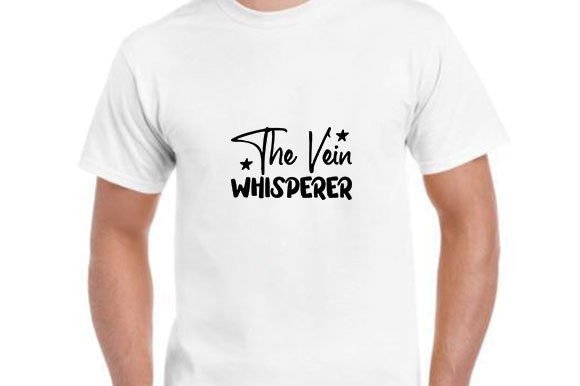
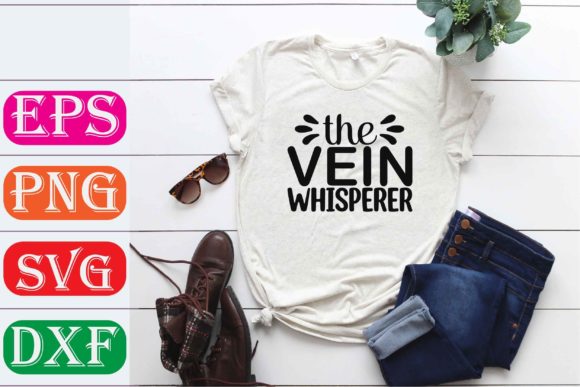
When I first pulled up the Nurse SVG Design: The Vein Whisperer on my screen, I immediately smiled. It’s the kind of design that balances humor with genuine respect for the skills of a nurse who can find a vein with almost supernatural ease. The personality is confident, a little cheeky, and deeply wearable. The typography is the star here, with a hand-drawn or slightly distressed lettering style that feels like something you’d see on a well-loved crewneck sweatshirt or a canvas tote bag carried through a long shift. The phrase “the vein whisperer” sits proudly, and the surrounding graphic elements – likely a subtle needle, a drop, or a heart rate line – reinforce the nursing theme without overwhelming the message.
As a designer who regularly turns graphic files into machine embroidery design projects, I look for clean lines, clear separation between elements, and a mood that will translate well into thread. This design hits those notes. It’s not trying to be overly cute or overly clinical; it’s in that sweet spot where a real nurse would actually wear it, and a proud family member would buy it as a gift.
Turning a Graphic into a Stitchable Reality
Let’s be clear about what you’re getting. The ZIP file contains EPS Files, SVG Files, PNG Files, and DXF Files. This is a design assets bundle, not a pre-digitized embroidery file. That means you won’t find a .PES or .DST file inside. For crafters who only use ready-made embroidery file formats, this requires an extra step: digitizing. But for those of us who already digitize our own designs or work with a digitizer, the SVG and DXF files are pure gold. They give you a scalable, clean vector path that can be imported directly into embroidery software, saving hours of tracing. The PNG serves as a perfect reference or a quick printable mockup to show clients before stitching.
I always test a design like this by importing the SVG into my digitizing software. The lettering is the most critical part. Small, thin serifs or overly tight loops can become a nightmare when converted to satin stitch or running stitch. I zoomed in on the curves of the “V” and “W” in “Vein Whisperer.” The vector paths were clean, with a minimum of unnecessary nodes. That’s a great sign. It means the finished digitized embroidery file will have smooth, even stitch angles and require less manual cleanup.
Where This Design Shines Brightest
I imagine this design living on a soft, mid-weight sweatshirt or a structured tote bag. The phrase itself is a conversation starter, and that’s exactly what you want on a custom apparel piece. Think about a nurse receiving a gift: a cozy pullover with “the vein whisperer” embroidered on the chest in a deep navy or charcoal thread. It’s personal, it’s flattering, and it’s something they’d actually use outside of work. For a craft business or Etsy seller, this design opens up a whole niche – nursing humor gifts, phlebotomy team spirit gear, graduation presents for new nurses, or even clinic staff appreciation items.
On a tote bag design, the scale works well. I’d place it centered on the front panel, about 6 to 7 inches wide. The lettering is bold enough to read from a distance, and the supporting graphic elements add enough visual weight to keep the composition from feeling top-heavy. For an embroidered patch, I’d reduce the size slightly and add a border, then sell it as an iron-on or sew-on patch. The design’s personality keeps it from being generic, and that’s a strong selling point in a crowded handmade product market.
Testing the Design on a Real Project: The Apron Experiment
I had a client who runs a small mobile IV therapy business. She wanted a few aprons for her staff that looked professional but still approachable. I took the Nurse SVG Design: The Vein Whisperer and digitized it at a 5-inch width, using a combination of fill stitch for the lettering and a fine satin stitch outline for the decorative accents. The apron fabric was a cotton-poly blend, so I used a medium-weight cutaway stabilizer to prevent shifting. After stitching, the result was crisp. The letters had a slight textured look, and the design held up beautifully after a test wash. The client’s team loved it because it was a subtle badge of their expertise, not a flashing sign.
This project taught me something important: the design works best when the fabric is stable and not too textured. Avoid super-thick terry cloth or loosely woven linen, because the smaller details in the lettering can get lost. On smooth fabric texture like canvas, denim, or twill, the stitches lay flat and the words remain legible.
Small Hoop, Big Challenges: What to Watch For
If you’re planning to stitch this on a cap or a hat, you’ll need to be strategic. The curvature of a cap’s front panel can distort the word “whisperer” if you try to fit it into a tiny hoop size. I recommend staying above a 4x4 inch hoop for the full design; anything smaller and you’ll have to delete the graphic accents or split the design into two parts. That’s doable, but it changes the overall balance. For baby embroidery on a onesie, you might downsize to 3 inches, but then you absolutely must test the stitch density on a scrap of rib knit fabric. A too-dense fill on thin, stretchy cotton can cause puckering and make the design look amateurish.
Dark fabric presents another common hurdle. The design’s moody, slightly bold vibe makes it a natural fit for black or navy garments. But if you stitch it in white thread on a black sweatshirt, any tiny registration errors will be glaringly obvious. I always do a black-and-white thread test on a printable mockup first, then a real stitch-out on a similar fabric. This saves me from delivering a finished product that looks sloppy around the edges of the letters.
Thread Colors and Tonality: Keeping the Whisper in the Whisperer
The design doesn’t come with a color guide, so you have creative freedom. That’s a plus for a digital embroidery file user. I’ve envisioned it in a warm, muted gold thread on a hunter green tote, or a soft coral on a cream-colored kitchen towel. The key is to choose thread colors that contrast enough with the fabric but still feel cozy. Neon colors would fight the hand-lettered feel, while metallic threads could add a nice touch for a holiday gift version. Just be aware that metallic threads are less forgiving, so you’ll need to slow down your machine and check the tension. I’d also avoid using a running stitch with too long a stitch length on the lettering; it can make the words look dashed instead of whispered.
Market Appeal and Customer Reaction
From a seller’s perspective, the Nurse SVG Design: The Vein Whisperer taps into a very specific, very loyal audience. Nurses, phlebotomists, and medical lab techs love to see their skills acknowledged in a humorous way. When I’ve posted mockups of similar designs in my shop, the engagement is immediate – comments like “I know a nurse who needs this” or “perfect for my sister’s graduation.” The design’s strength is that it’s not a generic “nurse” design; it highlights a particular, respected skill. That specificity builds customer trust and makes the personalized gift aspect even stronger. If you’re selling on Etsy or at a craft fair, having a non-generic option like this can set your small shop product apart from the sea of “Nurse Life” items.
Licensing and Commercial Use: A Must-Check Before You Sell
Before you print a single stitch or list a product, do yourself a favor and check the commercial license that comes with the ZIP file. The presence of EPS, SVG, PNG, and DXF formats usually indicates that the designer intends for you to use the files in both personal and small business projects. But not all licenses are the same. Some allow you to sell finished physical items like custom apparel or embroidered patches without restriction, while others may limit the number of products or require you to modify the design before reselling a digital adaptation. If you’re planning to resell the digitized embroidery file itself, you’ll almost certainly need an extended license. I always keep a screenshot of the license terms in my project folder, just in case.
Who Should (and Shouldn’t) Use This Design
This design is a fantastic fit for:
- Embroidery designers who already digitize their own files and want a clean, professional SVG base for a nurse-themed project.
- Small business owners who create handmade product lines for medical professionals, such as tote bags, zip pouches, or lanyard patches.
- Etsy sellers looking to add a witty, niche design to their custom apparel or personalized gift listings.
- Hobbyists who want to make a one-of-a-kind gift for a friend or family member in nursing.
It might not be the best choice for:
- Complete beginners who don’t yet have experience with digitizing or using stabilizer correctly on different fabrics.
- Projects where the design needs to be extremely small (under 2.5 inches), as the lettering will become difficult to stitch cleanly.
- Anyone expecting a plug-and-play machine embroidery design file ready to load onto a USB stick. You’ll need to convert it first.
Final Practical Takeaway
After working with the Nurse SVG Design: The Vein Whisperer on multiple test pieces, I can say it’s a solid, character-rich graphic that translates beautifully into the embroidery world – provided you approach it with a digitizer’s eye. The humor feels genuine, the layout is flexible, and the visual appeal holds up whether you stitch it on a cozy sweatshirt, a crisp apron, or a sturdy tote. I’ve seen firsthand how a design like this can elevate a simple embroidery project into something that feels personal and storeworthy. Just remember to test on your chosen fabric, dial in the stitch density for the scale you need, and confirm the license before you sell. If you do all that, you’ll have a finished product that whispers “skilled nurse” to everyone who sees it – and that’s exactly what you want.