Nurse Design Review: A Heartfelt Appreciation Graphic
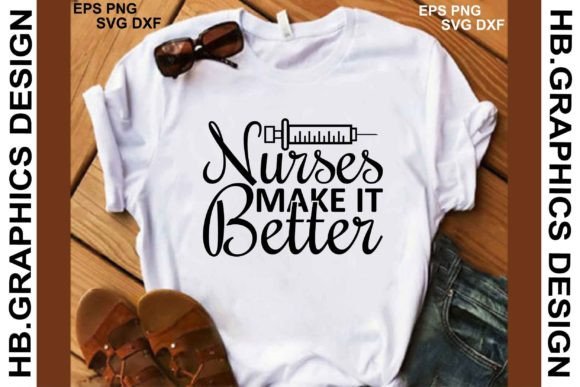
As a designer who works primarily in the digital-to-physical realm, my process always begins with the graphic. I look at a file not just as a collection of vectors, but as a blueprint for stitching, a map for thread and needle. When I evaluated the “Nurse Svg Design. Nurses Make It Better” file, my immediate thought was: this is a classic appreciation design. The sentiment is clear and warm, built around a central, stylized heart motif that incorporates the nurse’s cap. It’s a layout that speaks directly, without unnecessary complexity, which is often the hallmark of graphics destined for successful embroidery.
The First Impression: Where This Design Naturally Belongs
The mood here is gratitude and care. It’s not a flashy or overly intricate piece; its strength is in its thematic clarity. The visual personality is friendly and professional, making it instantly suitable for gifts and merchandise meant to honor nurses. For an embroidery designer, this translates into a design that feels destined for personalized, heartfelt projects. I pictured it immediately on a cozy sweatshirt for a nurse graduating, or as a subtle, meaningful touch on a tote bag for a healthcare worker—products where the message is the primary feature, not just decorative flair.
Performance in Real-World Embroidery Projects
This is where the theory meets the hoop. I mentally run through a typical scenario: preparing a custom embroidered tote bag as a gift for a nursing team. The provided files—SVG, PNG, DXF, EPS—give flexibility. For my machine embroidery file preparation, the vector-based formats are key. The design’s composition, with its balanced text and iconic heart symbol, suggests it will stitch out cleanly at moderate sizes.
On apparel like t-shirts and sweatshirts, the design’s moderate detail level should allow for good stitch clarity without overwhelming lightweight fabric. For baby clothes or nursery decor celebrating a nurse parent, the scale would need to be considered carefully to keep it delicate. As an embroidered patch, it would be excellent—the defined borders and central icon are perfect for patch application onto caps, aprons, or even pillow covers. For small business merchandise, say in a boutique focused on healthcare gifts or an Etsy shop specializing in personalized medical profession items, this design offers a ready-made, professional graphic asset. It would integrate seamlessly into printable mockups for digital product listings and translate into a finished product with strong visual appeal and giftability.
A Note on Commercial Use and Presentation
Using a design like this for commercial embroidery projects or crafting items for sale enhances customer trust when the final product is well-executed. The handmade presentation benefits from a clear, universally understood message. It supports brand consistency for sellers focused on appreciation-themed products. However, the critical step here is always confirming the licensing terms provided with the design before selling any finished items. The product category is listed as T-Shirt Designs and Graphics, which is a good starting point, but the specifics for commercial use must be verified directly from the source.
Careful Application: Where to Pay Attention
While the design appears straightforward, practical embroidery requires forethought. The small lettering in “Nurses Make It Better” is the area that demands the most attention. On very small hoop sizes, this text could become dense and lose clarity. It’s not overly tiny, but on textured fabrics like some sweater knits or on curved surfaces like caps, those fine details require proper stabilizer and possibly a slight scale adjustment.
On dark fabric backgrounds, the design’s positive-space focus would need high-contrast thread colors to pop. The heart icon’s interior details and the cap lines would need to be checked in a test stitch to ensure satin stitches or fill stitches don’t bleed together on stretchy fabric. For products destined for frequent washing, like kitchen towels or everyday apparel, opting for a robust stitch density in the key elements will ensure longevity. I would not recommend this design for extremely miniature applications, like on a small baby bib corner, as the text might not read well.
Practical Designer Notes Before You Hoop
My standard advice for any design, including this one, is to test it on scrap fabric first. Use the same material and weight as your final project. This reveals everything: how the thread color contrast works, if the stitch density is appropriate for your fabric texture, whether your chosen hoop size captures all details, and how the small lettering stitches out. Always test in both light and dark fabric mockups if you plan to offer the finished product on various backgrounds. For machine embroidery designs converted from such graphics, checking the path integrity for clean running stitch borders or fill areas is crucial. This design, with its clear shapes, should generally perform well, but a test run confirms it.
The Final Stitch: Value and Engagement
Ultimately, a design like “Nurse Svg Design. Nurses Make It Better” succeeds because it connects emotionally and stitches practically. It elevates the value of a simple embroidered item by imbuing it with a specific, appreciative message. For the end customer—whether a gift recipient or a buyer from a craft fair—that recognition and professionalism in the embroidery work fosters engagement. It feels intentional and meaningful, not generic. For the designer or crafter, it provides a reliable, well-structured graphic foundation. By approaching it with practical respect for the embroidery process—testing, scaling, stabilizing—you can transform this digital file into a finished product that genuinely honors the sentiment it carries, making it a worthwhile asset for both personal projects and, with verified licensing, potential commercial craft business items.