Retro Nurse Design: A Stitch-Worthy Classic
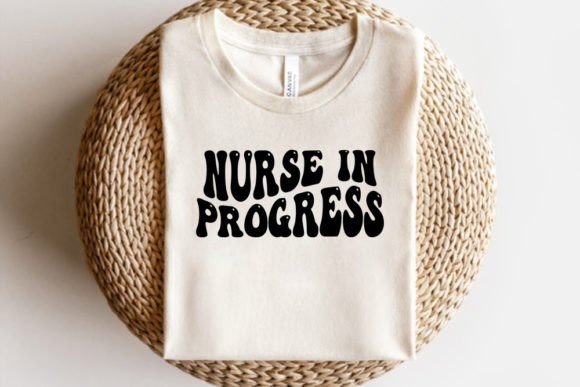
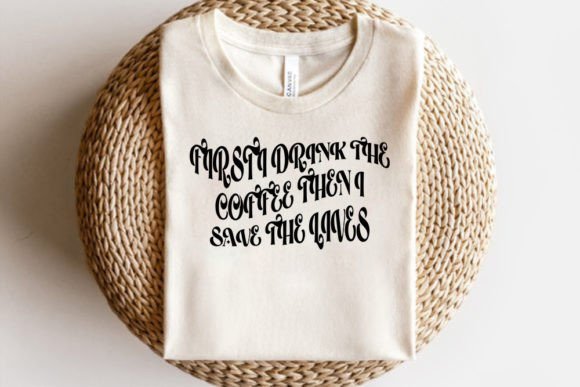
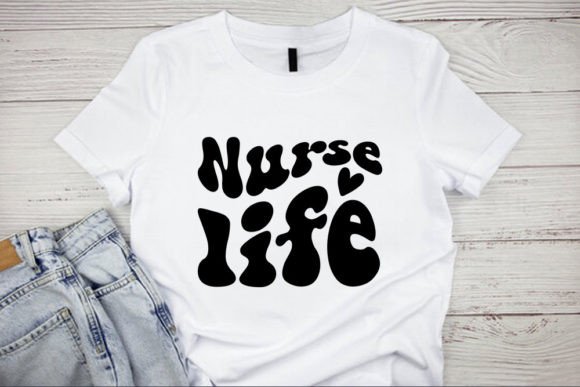
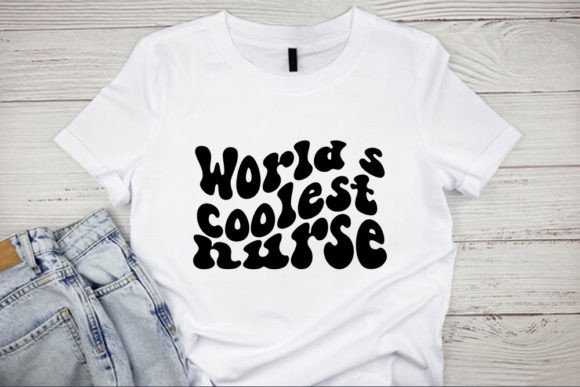
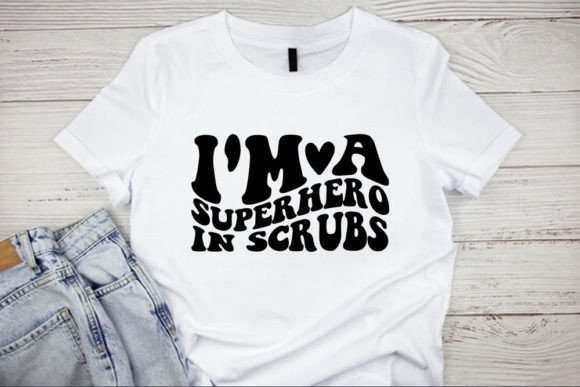
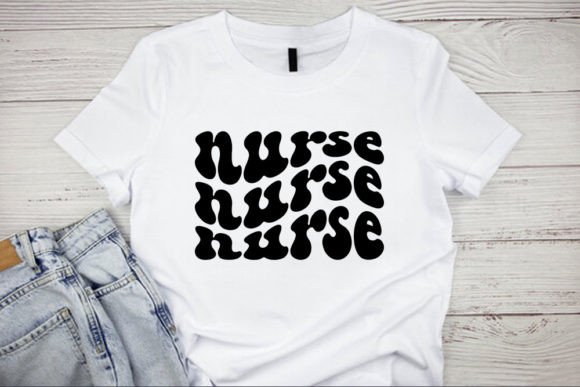
Let’s talk about this Retro Nurse SVG Design from a maker’s perspective. Right away, the mood is clear: it’s nostalgic, warm, and professional. The classic nurse silhouette paired with a retro aesthetic creates a visual personality that feels both respectful and charming. It’s not a flashy, modern graphic; it’s a design that whispers appreciation. This tells me it naturally belongs to projects meant as heartfelt gifts or merchandise for a caring profession—think custom apparel for a retiring nurse, a personalized tote for a nursing student, or boutique products for a healthcare-themed small shop.
Where This Design Finds Its Perfect Hoop
I’m imagining this design stitched out. On a dense cotton sweatshirt, the clean lines would translate beautifully into a crisp satin stitch border. Embroidered on a canvas tote bag, it would become a sturdy, daily-use statement. As a patch, it could be affixed to a nurse’s apron or a child’s “doctor kit” blanket. The level of detail is balanced—not overly complex, which means it won’t turn into a muddy mess on smaller items, but with enough character to hold its own on a larger pillow cover or tea towel. For creative entrepreneurs, this is a versatile digital embroidery file. It could anchor a line of holiday gifts for medical staff, become a custom embroidered cap for a nursing team, or feature in nursery decor for a baby born to a nurse mom. Its visual appeal hinges on that retro clarity, which builds customer trust through a polished, handmade presentation.
A Real-Life Scenario: The Commemorative Tote
Picture this: a client requests a custom embroidered tote bag as a wedding gift for a nurse bride. The Retro Nurse Design is chosen. Here’s my practical thinking. The design’s shape is centered and stable, ideal for a bag’s front panel. I’d consider a slightly larger hoop to allow the design breathing room, ensuring stitching clarity. On a textured fabric like canvas, a good stabilizer is key to prevent puckering. The design’s thematic strength boosts the product’s giftability and recognition instantly—it’s a professional yet personal emblem. For an Etsy seller, this same project photographed well becomes a powerful listing, showcasing brand consistency in thoughtful, well-executed crafts.
Caution Areas: Where to Stitch with Care
Every design has its careful applications. For this Retro Nurse Design, I’d be mindful on very small hoop sizes. Tiny lettering or intricate decorative accents might need simplification if the design is miniaturized for a baby clothes item. On stretchy fabric like a t-shirt, stitch density needs management to maintain comfort. Dark fabric demands thoughtful thread color contrast—a test on scrap fabric first is non-negotiable. Layered garments or curved surfaces like caps require extra attention to stabilizer and possibly adjusting the design orientation. For products needing frequent washing, like kitchen towels, I’d recommend a robust fill stitch in the main elements to withstand wear. These considerations protect the finished product’s professionalism and longevity.
How This Design Elevates Your Craft Business
From a commercial embroidery standpoint, this design affects buyer engagement directly. It’s a recognizable, emotive graphic. When stitched cleanly on a high-quality sweatshirt, it elevates the item from a simple garment to a valued keepsake or small shop merchandise. That perceived value is crucial for craft fair products and digital product previews. For apparel decorators, it offers a classic option that likely aligns with client requests for personalized products celebrating medical careers. It’s a design asset that, when executed well, reinforces the handmade quality and care you put into your work.
Practical Notes from the Embroidery Machine
Before I run this embroidery file for a real client project, my checklist is straightforward. I always test the design on scrap fabric of the same type I’ll use—both light and dark backgrounds. I review the stitch density in my software preview to see if any areas are too dense for thin fabric. I confirm my hoop size can accommodate the design without cramping the edges. I inspect small details to ensure they’ll stitch out clearly, not as a blob of thread. A black and white mockup helps me judge form independently of color. Crucially, I check the provided file formats—SVG, PNG, EPS, DXF—for compatibility with my workflow and any cutting machine needs for applique preparation. And I always, always confirm the licensing terms before selling any finished items or commercial embroidery projects. The product description notes it’s suitable for use with various machines, which is promising, but the specifics for commercial use are something I’d verify directly.
Ultimately, the Retro Nurse SVG Design feels like a reliable, style-conscious choice. It’s not a trend piece; it’s a classic. Its performance in real-life embroidery situations—from patches to personalized gifts—will depend largely on your thoughtful application of embroidery fundamentals: proper stabilizer, thoughtful thread colors, and respect for fabric texture. When paired with that skill, this design has the quiet strength to make a project truly stitch-worthy.