Real Men Mommy Nurse: A Design Review for Embroidery
First Look: The Heartbeat of This Design
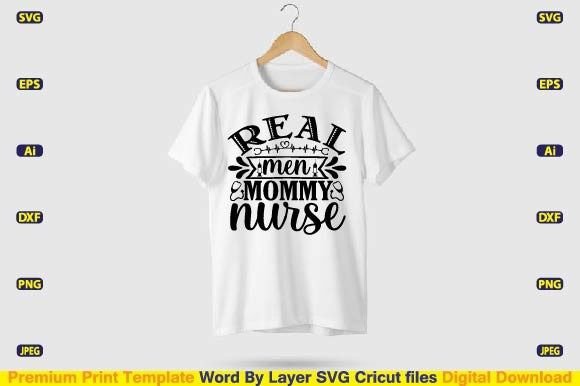
When you first open the Real Men Mommy Nurse SVG design, its strength isn’t just in the words, but in the sentiment it packages. The layout feels bold and declarative, a straightforward statement designed for impact. The typography likely leans into clean, blocky letters—perfect for translating into solid satin stitch columns or a confident fill stitch. It creates a mood of pride, recognition, and a touch of playful defiance against traditional expectations. This isn’t a delicate, whispery graphic; it’s a design meant to be seen and understood immediately, which tells me it naturally belongs on items where the message is the main event.
Where This Design Finds Its Home
In practical embroidery work, this design is a candidate for the spotlight. Think of a custom embroidered sweatshirt for a nurse dad, or a sturdy tote bag for a healthcare worker heading to the clinic. It would anchor a baby’s blanket as a gift from a nursing parent, or become a standout embroidered patch on a cap. Because the theme is so specific and heartfelt, it shines on personalized gifts and holiday embroidery projects—a Father’s Day polo, a Christmas apron for the family chef who’s also a nurse. For small shop merchandise or Etsy listings, this design could be a niche winner, appealing directly to a proud and often underserved customer base in the craft business arena.
A Real Project Scenario: The Embroidered Tote
Let’s walk through a real case. I’m considering this for a client who wants a custom embroidered tote for her husband, a pediatric nurse. The Real Men Mommy Nurse design, stitched centrally on a sturdy canvas bag, would be the sole focal point. I’d envision the text in a deep navy or charcoal thread, using a dense fill stitch for the letters to ensure they pop and endure daily use. The clean lines suggest it will stitch out crisply without too many tricky, tiny corners that could fray. The final product would feel professional, giftable, and deeply personal—exactly what a handmade product aiming for high customer trust should deliver.
Performance and Practicality on the Hoop
How does this embroidery file perform in real-life situations? On stable fabrics like cotton twill, denim, or standard sweatshirt material, it should be a reliable stitch-out. The potential challenge lies in the details implied by “word by layer.” If the design involves layered text or overlapping elements, careful attention to stitch density and hoop size is crucial. You wouldn’t want to run this on a very small hoop; the text needs space to maintain its clarity. On stretchy fabric like a thin t-shirt or on dark fabric where light thread colors might need extra coverage, proper stabilizer is non-negotiable to prevent puckering and ensure the message reads cleanly.
For items like caps with curved surfaces, the design’s linear layout might need slight adjustment or careful placement to sit flat. Similarly, on highly textured fabrics like some blankets, the fill stitches must be dense enough to prevent the background fabric from peeking through and muddying the words. The visual appeal hinges entirely on that stitching clarity—if the letters are sharp, the product feels valuable and professional; if they’re messy, it undermines the brand consistency of any creative entrepreneur selling it.
Careful Application: Where to Be Mindful
This design shouldn’t be approached blindly. Small lettering within the phrase, if any, could be a trouble spot on coarse fabrics. I’d avoid using it on items with frequent, harsh washing, like kitchen towels, unless using very robust thread and stitches. The embroidery design might also be too bold and large for delicate baby clothes where a smaller, softer motif might be more appropriate. Its commercial strength—for digital embroidery file sellers or apparel decorators—is clear, but always, always confirm licensing details from the original source before selling finished items or incorporating it into digital product previews. The product description notes it’s a digital download for cutting machines, so for machine embroidery, you’d need to ensure proper conversion and compatibility.
Designer Notes From the Worktable
Before committing this to a client’s project, my routine would be rigorous. Test the design on scrap fabric first, ideally the same material as the final product. Check thread color contrast against both light and dark backgrounds—how does “Real Men Mommy Nurse” look in white thread on black, or black on white? Review the actual stitch-out for any overly dense areas that could cause thread breaks or fabric distortion. Inspect every small detail; even a simple text design can have hidden complexities in corners or junctions.
I’d also test it in black and white mockups to visualize it on different products, from embroidered patches to pillow covers. This helps gauge its versatility for my craft fair products or boutique branding. A final, crucial step: verifying the design works for the intended scale. Does it retain its integrity and impact when stitched smaller for a cap, or larger for a blanket? This practical groundwork directly affects buyer engagement—a well-executed, thoughtfully applied design sells itself.
The Final Stitch: Value and Impression
Ultimately, the Real Men Mommy Nurse SVG design is a specialized tool in an embroidery designer’s kit. Its value lies in its targeted message and straightforward execution. For personalized gifts and small shop product lines, it adds a layer of meaningful recognition that generic graphics can’t. When stitched well, on an appropriate item, it elevates the finished product from a simple embroidered object to a statement piece. It speaks directly to an audience, fostering a sense of connection and giftability. For the maker, it’s a design asset that, with careful application, can enhance your portfolio’s depth and meet a real, emotional need in the market—which is, after all, the heart of a successful embroidery project.