A Designer's Eye on the Peds Nurse SVG Cut File
The Charm of a Niche Design
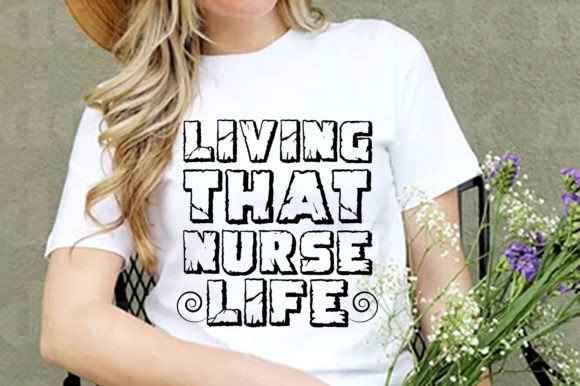
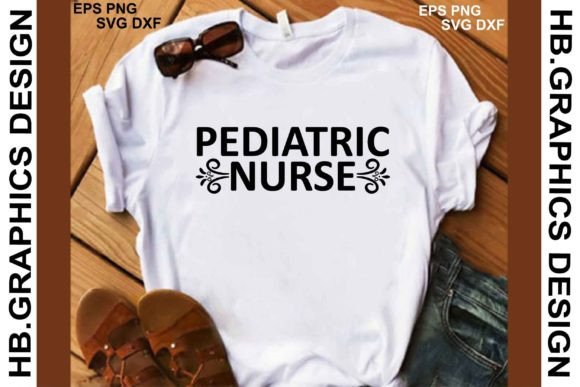
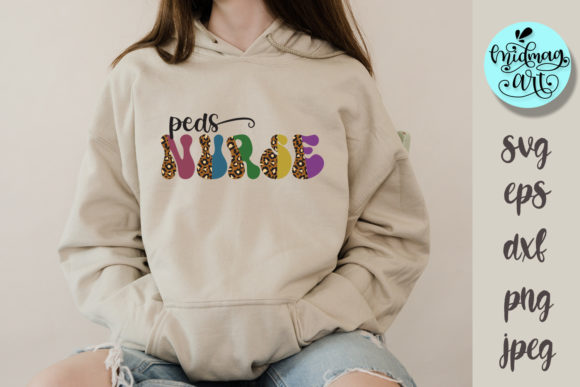
Opening the Peds Nurse SVG cut file, you immediately get a sense of its purpose. It’s not a generic medical graphic; it feels warm and specific. The visual personality leans toward appreciative and celebratory, perfect for honoring someone in a caring profession. This isn’t just a logo; it’s a statement piece. As an embroidery designer, my first thought was how this would translate from a digital graphic into stitches. The shapes are generally clear, which is a good starting point, but the real test is on fabric.
Where This Design Finds Its Home
In my mind, I started picturing projects. This embroidery design naturally belongs on gifts. A custom embroidered tote bag for a nurse graduating or moving to a pediatric unit. A soft, embroidered patch stitched onto a cozy blanket for a nurse’s own child. The theme lends itself beautifully to personalized gifts and small shop merchandise. I envisioned it on the front of a premium sweatshirt, a piece of custom apparel that feels special and not mass-produced. It would also be a standout on a crisp apron, perhaps for a nurse who loves baking, or subtly on the corner of a pillow cover in a nursery-themed decor project.
For craft business owners, this is a design with clear audience appeal. It speaks directly to a community—families of nurses, colleagues wanting a recognition gift, or nurses themselves. On an Etsy listing or at a craft fair, a finished embroidered product using this file would likely attract attention because it’s niche yet emotionally resonant. It increases product value by feeling thoughtful and handmade.
The Ideal Embroidery Canvas
For successful embroidery, consider medium to larger hoop sizes. You want the design to have breathing room to maintain clarity. It will likely work best on stable, smooth fabric textures like cotton twill for tote bags, mid-weight sweatshirt fleece, or sturdy canvas for patches. On these surfaces, the details can stitch out cleanly, preserving the design’s friendly personality.
Spots to Approach with Caution
Be careful with very small hoop applications. If you try to shrink it down for a tiny baby hat or a delicate corner of a kitchen towel, some elements might lose definition. Similarly, on highly textured fabrics like a thick blanket or on stretchy fabric without proper stabilizer, the shapes could distort. Dark fabric backgrounds require thoughtful thread color contrast planning; you might need to test a brighter palette to keep the design vibrant. Applying it to curved surfaces like caps demands careful digitizing adjustment to prevent puckering.
The potential for dense stitch areas depends on how the original SVG is translated into an embroidery file. Without knowing the exact stitch count, my advice is to always preview the stitched design in your software and, crucially, run a test on scrap fabric first. This lets you inspect small details and decorative accents before committing to a final finished product.
Professional Impact & Buyer Engagement
Using a well-executed design like this elevates your work. When a customer sees a clean, crisp embroidered patch or a sweatshirt with balanced, professional stitching, it builds customer trust. It shows you understood the design’s intent and respected the craft. For a small business owner, this contributes to brand consistency—offering products that look carefully made.
The visual appeal and stitching clarity directly affect giftability and recognition. A parent wanting to gift their pediatric nurse daughter something unique will be drawn to a product that looks intentionally designed, not slapped on. The design’s specificity makes the recipient feel seen, which is a powerful element for buyer engagement in both online and in-person sales.
Practical Notes Before You Hoop Up
Here’s my checklist, drawn from experience, before using this digital embroidery file in a real project:
- Test on scrap fabric first. Use the same material and weight as your final project.
- Review stitch density in your embroidery software after converting the SVG. Look for areas that might be too thick or too thin.
- Check thread color contrast against your final fabric. Create simple black and white mockups to see how the silhouette holds up.
- Use proper stabilizer. This is non-negotiable for achieving clean results, especially on apparel or stretchy fabrics.
- Confirm licensing. The product description states it’s a digital file for personal use with certain software. If you plan to sell the finished product or use it in commercial embroidery projects, you must verify the license allows that. Never assume.
- Consider the end-use. If the product will need frequent washing, like a baby item or apron, ensure your stitch choices and materials are durable enough.
Ultimately, the Peds Nurse SVG cut file is a strong graphic with excellent potential for heartfelt embroidery projects. It’s a design asset that, with careful translation and execution, can become a standout piece in your portfolio of handmade products. It reminds us that in the world of embroidery design, sometimes the most powerful projects are those that honor a specific person and story.